Exporting Saffron to Italy: Everything You Need to Know Before Entering the Italian Market
What will you read ...
Why Can Italy Be One of the Best Markets for Saffron Exports?Which Type of Saffron Is Most Suitable for the Italian Market?What Documents Are Required for Exporting Saffron to Italy?Saffron Packaging – More Important Than You Might ThinkAir Freight or Sea Freight – Which Option Is Better?Advantages of Air FreightAdvantages of Sea FreightWhy Does Experience Make Entering the Italian Market Easier?Working with the Largest Exporter of Saffron to ItalyExporting Saffron to Italy: How Can You Increase Your Chances of Success?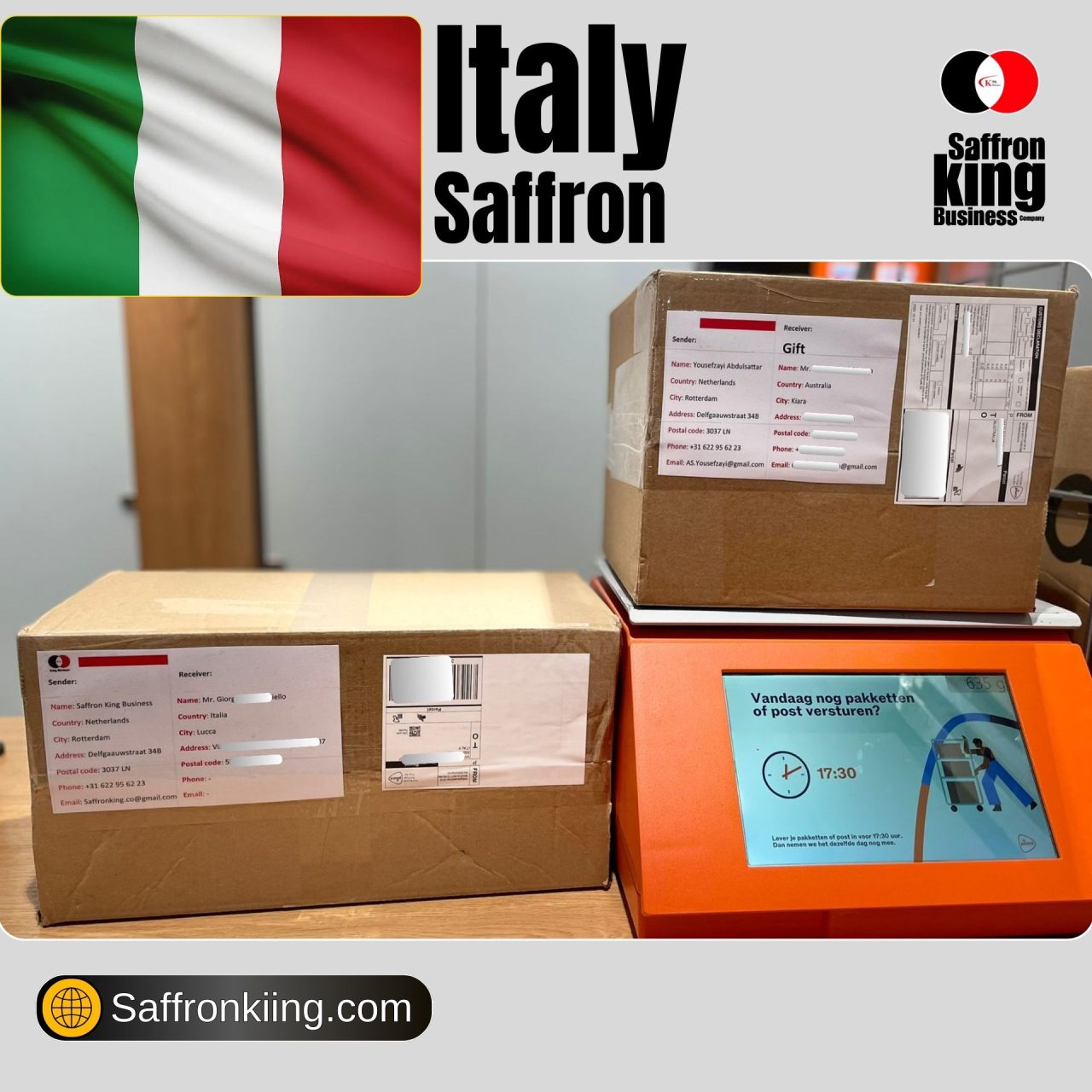
If you are planning on Exporting saffron to Italy, you probably have many questions in mind. Is Italy a suitable market for Iranian saffron? What documents are required for export? What are the European Union regulations? How can you find reliable Italian buyers and avoid customs-related issues?
The good news is that Italy is considered one of the most valuable European markets for high-quality saffron. However, successfully entering this market requires much more than simply having a premium product.
In this comprehensive guide, we will explain everything you need to know about exporting saffron to Italy in simple terms, helping you begin your export journey with greater confidence and clarity.
Why Can Italy Be One of the Best Markets for Saffron Exports?
Italy is one of the major consumers of saffron in Europe. Luxury restaurants, the food industry, gourmet food stores, and food manufacturers all use saffron as a premium spice.
One of the main reasons this market is so attractive is the high value Italian consumers place on quality, authenticity, and packaging. If a product can deliver all three of these qualities, it has an excellent chance of establishing a long-term presence in the market.
Which Type of Saffron Is Most Suitable for the Italian Market?
Italian buyers generally prioritize quality over price.
The most popular types of saffron include:
* Super Negin Saffron
* Negin Saffron
* Sargol Saffron
* Organic Saffron
Among these, Super Negin Saffron enjoys the highest demand in premium markets due to its exceptional colour, aroma, and appearance.
What Documents Are Required for Exporting Saffron to Italy?
Exporters are generally required to prepare the following documents:
* Commercial Invoice
* Packing List
* Certificate of Origin
* Health Certificate
* Bill of Lading
* Customs Declaration
Having these documents prepared from the beginning helps prevent unnecessary costs and delays.
Saffron Packaging – More Important Than You Might Think
In the European market, packaging is not simply a protective covering; it is considered part of the product’s overall quality.
Even the finest saffron will not reflect its true value if it is presented in inappropriate packaging.
Air Freight or Sea Freight – Which Option Is Better?

The choice of shipping method depends on the size of the order.
Advantages of Air Freight
* Fast delivery
* Greater security
* Ideal for small, high-value shipments
Advantages of Sea Freight
* Lower transportation costs
* Suitable for bulk orders
* Longer transit time
Why Does Experience Make Entering the Italian Market Easier?
Many export-related challenges can be prevented before the shipment even leaves the country. Selecting the appropriate type of saffron, preparing the required documentation, ensuring product quality, choosing the right packaging, and coordinating with the shipping company all require practical experience.
Working with the Largest Exporter of Saffron to Italy
King Business has over 14 years of experience in the sale and export of various types of saffron and has worked extensively with international markets. This experience has enabled the company to manage export processes more efficiently while helping exporters enter their target markets with greater knowledge and confidence.
Exporting Saffron to Italy: How Can You Increase Your Chances of Success?
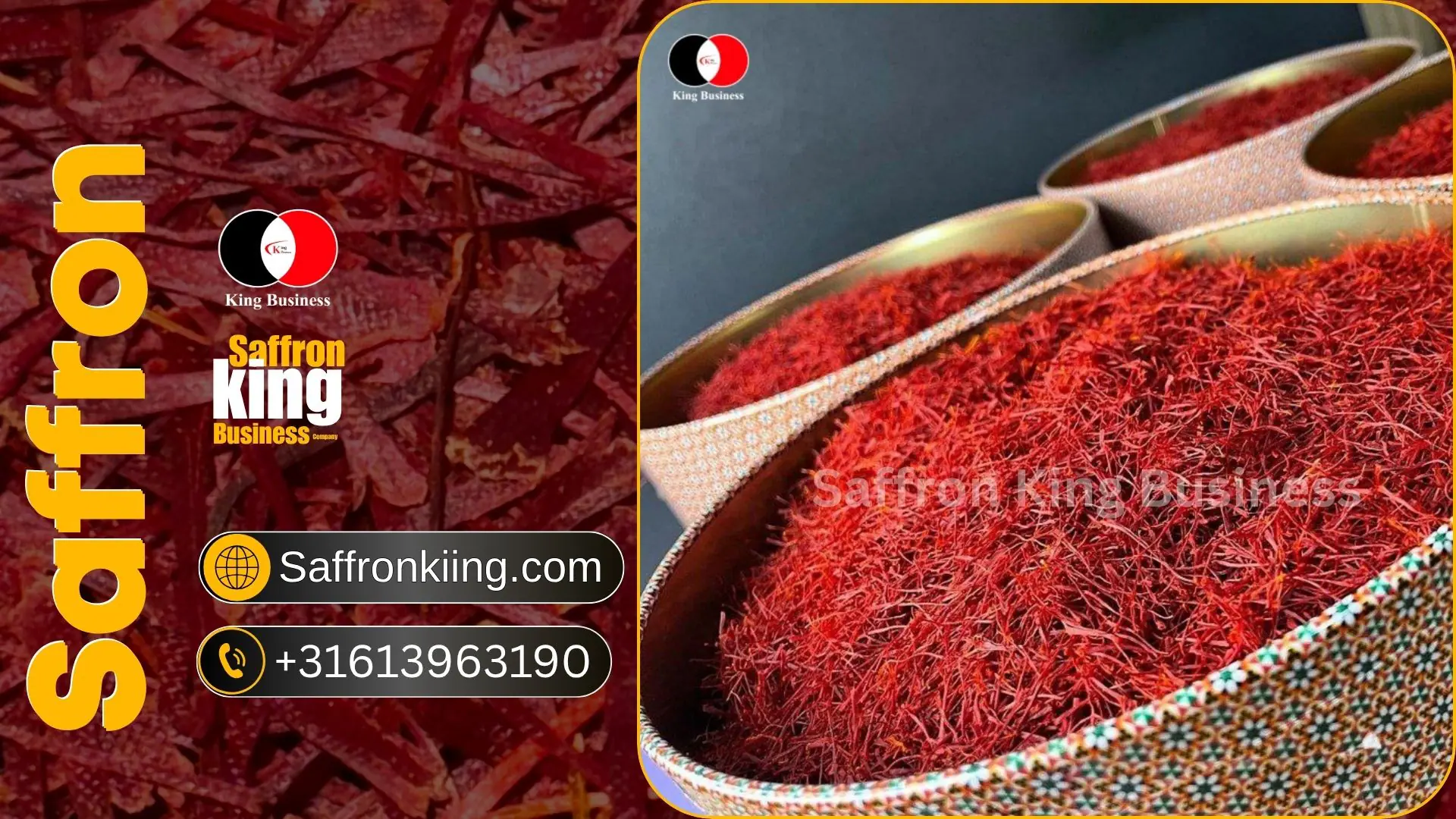
Success in Exporting saffron to Italy does not depend solely on product quality. The most successful exporters are those who understand their target market, comply with international standards, provide professional packaging, and build long-term relationships with buyers.
The more comprehensive your knowledge of the Italian market, the better your decisions will be, and the lower your export risks will become.