Complete Guide to Saffron Customs Regulations in Europe
What will you read ...
Necessary Licenses and Documents for Saffron ExportKey to Smooth Customs ClearanceSaffron Packaging and Labeling According to European RegulationsMethods of Transportation and Shipping of SaffronComplying with Saffron Customs Regulations in Different European CountriesMarketing and Communication with Saffron BuyersConclusion on Saffron Customs RegulationsConclusion and Consultation for Saffron ExportExperience secure export with our step-by-step guide!
Exporting saffron to Europe is a valuable opportunity for Iranian producers, but without familiarity with saffron customs regulations in Europe, this path can be challenging and costly.
Strict compliance with import rules, packaging, and health standards at the customs of European countries plays a decisive role in export success.
In this article, the steps and important points for complying with customs regulations and increasing the chance of successful saffron entry into the European market are examined.
Necessary Licenses and Documents for Saffron Export
One of the most fundamental steps for saffron export is preparing the legal documents.
The exporter must obtain a valid business card, product standard certificate, health certificate, and certificate of origin.
The European Union also requires a valid laboratory analysis certificate (COA) for the entry of food products including saffron, to confirm purity, aroma, and absence of pesticides and heavy metals.
Key to Smooth Customs Clearance
Without these documents, the saffron shipment will be stopped at customs and may incur significant time and costs for the exporter.
Saffron Packaging and Labeling According to European Regulations
One of the most important parts of complying with saffron customs regulations in Europe is proper packaging and labeling.
Packaging must be durable, hygienic, and portable.
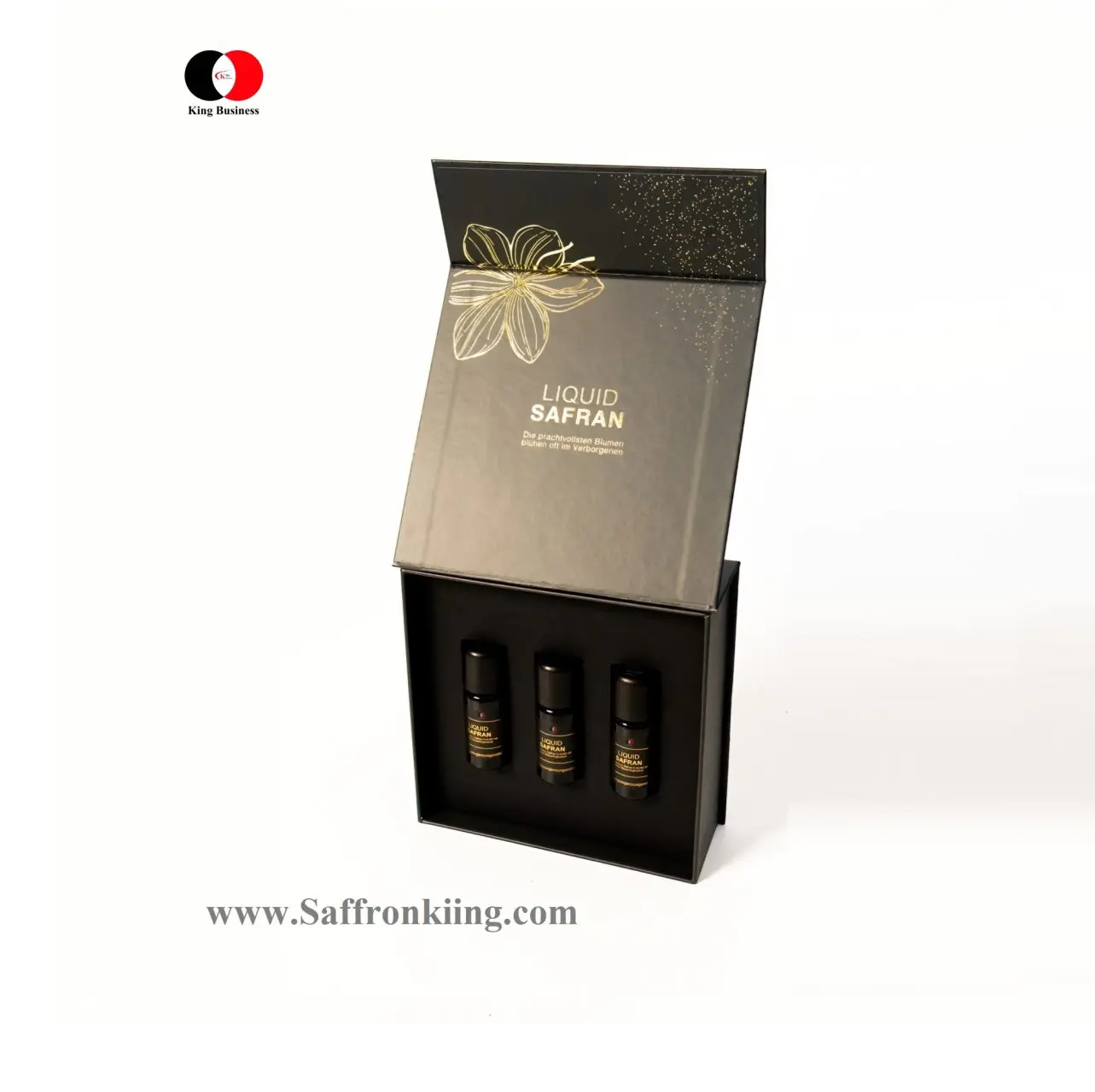
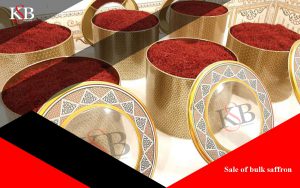
Using glass or metal containers and including complete information on the package — including net weight, production and expiration dates, country of origin, and international barcode — is essential.
Additionally, displaying the European standard mark or organic certification can increase buyer trust and prevent legal issues at customs.
Methods of Transportation and Shipping of Saffron
Choosing the appropriate transportation method directly affects product quality and acceptance in Europe.
For small shipments, air transport is fast and secure, while for large volumes, land or sea routes are more economical.
Multi-layer and moisture-resistant packaging is essential to preserve saffron quality.
Also, insuring the shipment and cooperating with reputable shipping companies reduces risk and facilitates product entry at customs.
Complying with Saffron Customs Regulations in Different European Countries
Each European country has its own regulations, and the exporter must be aware of them.
For example, some countries have restrictions on organic saffron imports, while others require specific forms and documents for product entry.
Knowing these differences and coordinating with export consultants reduces the likelihood of shipment stoppages at customs and makes the export process faster and safer.
Marketing and Communication with Saffron Buyers
Complying with customs regulations is only part of success in saffron export; the other part is smart marketing and communication with buyers.
Participation in international food exhibitions, cooperation with B2B platforms, and providing product samples along with quality certificates build trust with European customers.
These actions not only increase the chances of sales but also ensure that compliance with saffron customs regulations in Europe aligns with market requirements.
Conclusion on Saffron Customs Regulations
For successful export, familiarity with European customs regulations and standards is essential.
Strict compliance with documents, proper packaging, choosing the appropriate transportation method, and understanding country-specific differences smooth the path for saffron entry into the European market.
By following these principles, exporters can have legal, safe, and profitable exports and fully benefit from European market opportunities.
Conclusion and Consultation for Saffron Export
For successful saffron export, complete knowledge of customs regulations, packaging standards, and market differences in European countries is necessary.
Strict compliance with documents, selecting the proper transportation method, and targeted marketing facilitate saffron entry into the European market.
For those who want to conduct their export process faster, with less risk, and with confidence, King Business Saffron Company is ready to provide specialized consultation and accompany them in all stages of export.
Experience secure export with our step-by-step guide!
For more information and step-by-step guidance, you can contact the company’s experts and benefit from the experience of their professional team.