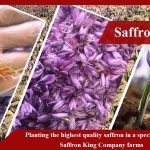
What Type of Soil Is Suitable for Saffron Cultivation?
What will you read ...
Selecting the Right Land for Saffron CultivationWhat Type of Soil Is Suitable for Saffron Cultivation?Saffron Soil and Proper DrainageSoil and Its Effect on Saffron GrowthSoil Moisture and Saffron’s Water RequirementsSoil Nutrients and Saffron FeedingPurchase High-Quality Saffron from King Business Saffron CompanyA Reliable Partner in the Saffron Trade
To answer the question, “What type of soil is suitable for saffron cultivation?”
it should be said that light, fertile, and well-drained soils are the best environment for saffron corm growth.
Read the following text for more detailed information.
Selecting the Right Land for Saffron Cultivation
For planting saffron, lands with gentle slopes and proper drainage are the best options.
Marshy or rocky soils damage the roots and reduce flowering.
Loose and sandy soil with good drainage facilitates root growth and produces a high-quality crop.
What Type of Soil Is Suitable for Saffron Cultivation?
Soil quality is one of the main factors in saffron growth and yield.
Suitable soil leads to better root development, more flowering, and saffron with stronger aroma and color.
Saffron Soil and Proper Drainage
Saffron requires soil that allows water to pass through easily without retaining it.
Heavy and clayey soils that hold water cause corm rot and reduce saffron flowering.
Light sandy or loamy soil with high drainage is the best option for saffron cultivation.
To improve drainage, the soil can be mixed with sand or well-rotted manure.

Soil and Its Effect on Saffron Growth
The best soil for saffron has a pH between 6 and 8.
Acidic or highly alkaline soils can reduce the absorption of nutrients by the roots and lower product quality.
To check soil pH, you can use soil test kits or agricultural laboratories.
Soil Moisture and Saffron’s Water Requirements
Saffron soil should be moist but not waterlogged.
Regular and controlled irrigation promotes proper root growth and better flowering.
Overwatering leads to corm rot and reduced product quality, so irrigation in summer and autumn must be done carefully.
Soil Nutrients and Saffron Feeding
Soil rich in organic and mineral substances improves both yield and quality of saffron.
The use of compost and well-rotted animal manure enhances root growth and flowering.
Nitrogen, phosphorus, and potassium are key elements for healthy saffron growth.
Poor or nutrient-deficient soil reduces flower weight and the color quality of saffron.

Purchase High-Quality Saffron from King Business Saffron Company
King Business Saffron Company, with years of experience in exporting Iranian saffron, is one of the most reputable suppliers and distributors of high-quality saffron in Europe.
We source saffron directly and without intermediaries from Iranian farms and export it worldwide with EU-standard packaging.
A Reliable Partner in the Saffron Trade
If you are looking to purchase authentic, high-quality saffron with export certifications,
King Business Saffron is your trusted partner in saffron trade.
For consultation or to place an order, you can contact our sales team.