Safran-Export: A Complete Guide to Entering Global Markets and Increasing Your Chances of Success
What will you read ...
What Is Safran-Export and Why Is It Important?Why Is Iranian Saffron One of the Best Choices for Export?Which Type of Saffron Is Best for Export?International Standards for Saffron ExportHow Does Proper Packaging Affect Saffron Export?How to Start Exporting SaffronBest Countries for Saffron ExportWhat Costs Are Involved in Saffron Export?The Main Challenges of Saffron ExportWhy Is Choosing an Experienced Exporter Important?Conclusion: How to Achieve Greater Success in Safran-Export
If you are planning to enter the global saffron market, you are probably facing many questions—from where to start exporting saffron, to what documents are required, which countries offer the best opportunities, and how to find reliable buyers. The reality is that success in Safran-Export depends not only on having a high-quality product but also on understanding the market, complying with export regulations, and choosing the right business strategy. In this guide, we will cover all the essential points in simple language to help you plan your entry into the international saffron trade with greater confidence.
What Is Safran-Export and Why Is It Important?
Safran-Export refers to the process of selling and shipping saffron to international markets. Due to its high value, low volume, and strong global demand, saffron is considered one of the most profitable agricultural products for international trade.
Iran is the world’s largest producer of saffron and supplies a significant portion of global demand. However, competition in this market is not based solely on product quality. Standard packaging, compliance with the destination country’s regulations, and understanding buyers’ needs also play a decisive role in export success.
Why Is Iranian Saffron One of the Best Choices for Export?
Iranian saffron is recognized in many international markets because of its exceptional quality and unique characteristics. Factors such as strong coloring strength, natural aroma, high purity, and the availability of different grades have made Iranian saffron the preferred choice for many importers.
In addition to its quality, Iran’s large production capacity allows exporters to fulfill bulk orders and establish long-term partnerships with international buyers.
Which Type of Saffron Is Best for Export?
Contrary to what many people believe, the best saffron for export is not always the most expensive or the highest-grade product.
Demand varies across different markets for Super Negin, Negin, Sargol, Pushal, and Bunch saffron, and each grade has its own position in the market. For example, Super Negin and Negin saffron are typically the first choice for importers in Europe, Canada, and many Gulf countries due to their long stigmas, high coloring strength, and premium appearance. In contrast, some markets prefer Sargol or Pushal saffron because of their more competitive pricing. Therefore, understanding the target market before selecting the saffron grade is one of the most important factors for export success.
International Standards for Saffron Export
Many importers evaluate saffron quality according to international standards. One of the most important standards is ISO 3632, which assesses characteristics such as coloring strength, aroma, flavor, and purity.
Complying with these standards can increase buyer confidence and make it easier to enter competitive international markets.
How Does Proper Packaging Affect Saffron Export?
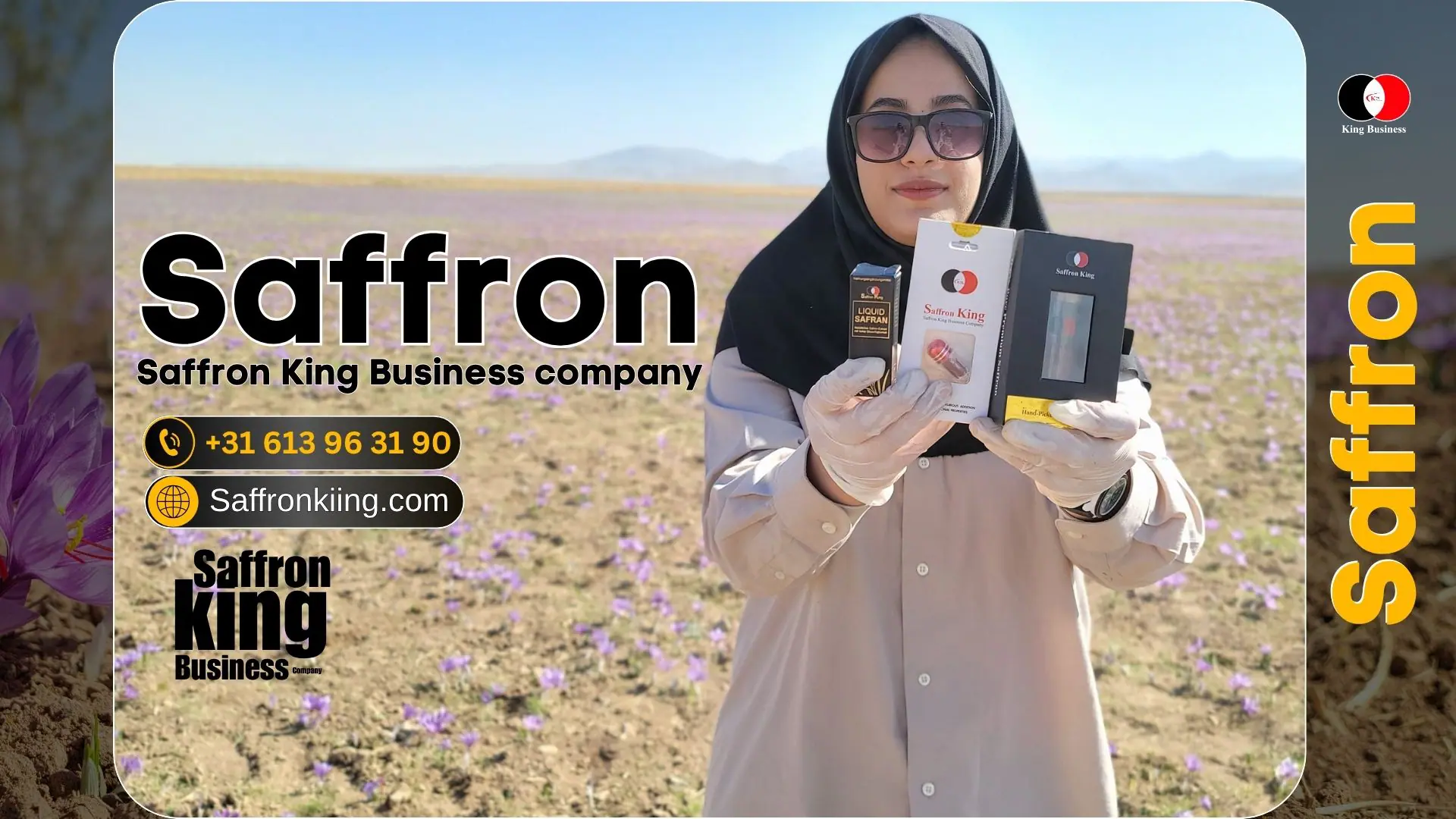
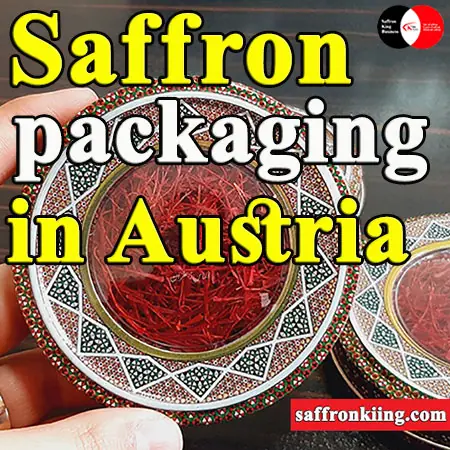
A professional export package does more than protect saffron—it also strengthens your brand and influences buyers’ purchasing decisions. High-quality packaging should safeguard the product from light, moisture, air, and contamination to preserve its aroma, color, and freshness throughout transportation and storage.
In addition, packaging tailored to the target market and the ability to offer private label solutions provide a strong competitive advantage. Many international importers prefer suppliers who can deliver export-ready packaging that complies with local regulations while supporting their own brand identity.
How to Start Exporting Saffron
Entering the export market requires careful planning. First, you should research your target market and understand buyers’ needs. Then, become familiar with the import regulations of the destination country, the required standards, and the necessary export documents.
Next, selecting the appropriate saffron grade, using standard packaging, determining the best transportation method, and conducting professional negotiations with buyers are among the most important steps that influence the success of an export transaction.
Best Countries for Saffron Export
Demand for saffron continues to grow in many countries. Some of the most important importing markets include:
* Canada
* France
* Germany
* Italy
* Spain
* United Arab Emirates
* China
* India
* Saudi Arabia
* Australia
Each of these markets has its own regulations, standards, and consumption patterns. Therefore, understanding the specific requirements of each country can help exporters choose the most effective export strategy.
What Costs Are Involved in Saffron Export?
The total cost of exporting saffron is not limited to the purchase price of the product. Factors such as packaging, transportation, insurance, customs procedures, required certifications, and marketing expenses also affect the final cost.
Carefully evaluating these expenses before signing a contract helps exporters establish more competitive and realistic pricing.
The Main Challenges of Saffron Export
Saffron export offers profitable opportunities, but it also comes with challenges that should not be overlooked, as they can increase both costs and business risks. Constant changes in import regulations across different countries, fluctuations in global market prices, intense competition among exporters, potential issues in international transportation, and finding reliable buyers are among the most significant obstacles exporters face.
In addition, each country has its own standards and requirements for importing food products, and understanding these regulations plays an important role in preventing delays and customs-related issues. Therefore, recognizing these challenges and planning to manage them is one of the key factors for achieving success in global saffron export.
Why Is Choosing an Experienced Exporter Important?
In international trade, experience is more than just years of business activity. It reflects a company’s understanding of regulations, standards, market demands, and the export process itself. Working with an exporter that has the capability to ensure consistent supply, maintain quality control, and understand target markets can significantly reduce the complexities of exporting and make business cooperation more reliable.
Conclusion: How to Achieve Greater Success in Safran-Export
Success in Safran-Export depends on a combination of factors, including product quality, market knowledge, compliance with international standards, proper packaging, and selecting the right export strategy. The more accurate your information and the better your planning before entering global markets, the greater your chances of building long-term and successful business relationships.
For this reason, understanding the export process and benefiting from the experience of professionals in the industry can make entering the international saffron trade much easier and more reliable.